

ジェームス・テイラーのPMCでみつけた!Ash「Shining Light/Burn Baby Burn」
2025年12月1日
Ash(アッシュ)「Shining Light/Burn Baby Burn(シャイニング・ライト/バーン・ベイビー・バーン)」(2001年)
このレコードは日本の特別盤で北アイルランドのバンド、アッシュの2曲入りシングルです。「シャイニング・ライト」と「バーン・ベイビー・バーン」は2曲とも2001年のアルバム、「フリー・オール・エンジェルズ」からです。
1994年のEPと1996年のデビューアルバムのいいレビューを多くもらった後、アッシュのセカンドアルバムはあまり売れませんでした。セカンドアルバムの失敗はメンタル的な影響もあり、あわせてバンドのお金の問題も出てきました。
しかし、アルバム「フリー・オール・エンジェルズ」がアッシュを救うことになります。ファーストシングルは2001年1月に出した「シャイニング・ライト」、その年の4月には「バーン・ベイビー・バーン」を発売しました。そしてその後アルバムをリリースしました。人気のシングルを収録したアルバム「フリー・オール・エンジェルズ」は全英アルバムチャートで1位を獲得しました。シングルは全部で5枚出して、すべてチャートで上位になりました。
アッシュは続けて世界中で演奏をして、「フリー・オール・エンジェルズ」の後にもう二枚のアルバムを出しました(2004年と2007年)。2009年にアッシュは公式ホームページにファンへのメッセージを書きました。「インターネットの影響で、音楽の購入方法と聴き方は変わると思いますので、これからは僕たちの作曲とリリースの仕方も変わります。」というメッセージでした。当時他のアーティストも少し同じことをしていたけど、アッシュは一番に取り組んだアーティストでした。アッシュのイノベーションは、一つずつの曲をCDではなく、直接インターネット上で出すことにしました。そして、曲名の最初の文字はアルファベットのAからZにして、順番にリリースします。
「シャイニング・ライト」と「バーン・ベイビー・バーン」のおかげでとても有名になったアッシュですが、少しずつ忘れられていたとも考えられます。でも、2015年にまたアルバムの制作を再開しました。2025年10月にまたアルバムをリリースし、その際、来日公演も果たしています。
* KIT・PMCとは:金沢工業大学がライブラリー・センターに設置しているレコード・ライブラリー「ポピュラー・ミュージック・コレクション」の頭文字をとった略称。全て寄贈されたレコードで構成され、28万枚を所蔵している。
ジェームス・テイラー
ジェームス・テイラーは毎月第3火曜日夕方5時半「課外授業の勧め:ロスト・イン・ミュージック」のパーソナリティーです。
Ash – ‘Shining Light/Burn Baby Burn’ (2001)
This is a double A-side, special Japanese release from Northern Irish indie band Ash. The songs, ‘Shining Light’ and ‘Burn Baby Burn’ are both taken from their 2001 album ‘Free All Angels’.
Following a critically acclaimed EP and debut album released in 1994 and 1996 respectively, Ash’s second full-length album was a critical and commercial failure. Together with extensive touring around the world, this failure took its toll on the band mentally, emotionally, and financially.
‘Free All Angels’ rescued Ash. ‘Shining Light’, the first single from the album was released in January 2001, followed by ‘Burn Baby Burn’ in April, then the album itself. ‘Free All Angels’ went straight to number 1 on the UK album chart, and three more singles were taken from it, each charting highly.
Ash continued to tour the world extensively, and released two more conventional albums in 2004 and 2007 before taking a more innovative approach to releasing music. From 2009, Ash released individual songs on their own website, announcing presciently that they felt the internet would change the way music would be consumed by listeners. Other artists were doing this too, but not to the extent of Ash, who added a quirk in that there would be 26 songs, released in alphabetical order according to the first letter of the title.
Ash retreated from the limelight that ‘Shining Light’ and ‘Burn Baby Burn’ brought them, but they did return to traditional albums in 2015. They released their most recent album in October 2025 and toured Japan in support.
* The Popular Music Collection (PMC) is located in Kanazawa Institute of Technology’s Library Center, and is the home of 280,000 donated and catalogued LPs, which are available for listening.
James Taylor
James Taylor presents ‘Lost in Music’ at 5.30 PM on the third Tuesday of every month.
ジェームス・テイラーのPMCでみつけた!Mother Love Bone「Apple」
2025年11月1日
Mother Love Bone(マザー・ラヴ・ボーン)「Apple(アップル)」(1990年)
マザー・ラヴ・ボーンは3年間しか活動していなかったですが、このバンドがいなかったら、近年のアメリカ出身のとても人気のあるバンドはいないはずです。
マザー・ラヴ・ボーンは1987年にアメリカのシアトル市で結成した5人組でした。シアトル周辺でライブをして、注目されて、レコード会社と契約を結んで、1988年に初EPを出しました。その次の年にデビューアルバムの「アップル」をリリースしました。しかし、マザー・ラヴ・ボーンのデビューアルバムは結局マザー・ラヴ・ボーンのすべてのアルバムになりました。
「アップル」のリリース前に大変悲しいことがありました。1990年3月14日にシンガーのアンドリュー・ウッドは家でヘロインのオーバードーズによって、数日後に亡くなりました。その影響で「アップル」のリリースは夏まで延期されました。でも、リリース後にとてもいいレビューがたくさんありました。マザー・ラヴ・ボーンの曲は1970年代のグラム・ロックと1990年代にブームが来るグランジの橋渡しになったと思います。1980年代後半に人気があったガンズ・アンド・ローゼズのような音楽もあります。「アップル」の最初の3曲を聴くと、マザー・ラヴ・ボーンの色んなスタイルが聞こえます。そして、最後の曲、「クラウン・オヴ・ソーンズ」は一番いい曲だと思います。
アンドリュー・ウッドが死亡した後、マザー・ラヴ・ボーンは解散しました。ベーシストのジェフ・アメンとギタリストのストーン・ゴッサードは友達のクリス・コーネル(当時サウンドガーデンのシンガー)から招待されて、アンドリュー・ウッドへのトリビュートアルバムをコラボし「テンプル・オブ・ザ・ドッグ」というバンド名とアルバム名でリリースしました。収録のセッションはジェフ・アメンとストーン・ゴッサードがギタリストのマイク・マクレディとボーカリストのエディ・ヴェダーと初めて会うきっかけとなりました。その4人とドラマーのデイヴ・クルーセンとパール・ジャムというバンドを結成して、1991年に大きくヒットしたデビューアルバム、「テン」をリリースしました。
パール・ジャムは今でも新しい音楽を出したり、世界中で演奏をしています。1991年からドラマーが何回も変わっていますが、「テンプル・オブ・ザ・ドッグ」を収録していた時の4人はまだバンドメンバーです。時々ライブで「クラウン・オヴ・ソーンズ」を演奏します。今年の8月に「アップル」のリマスター版がリリースされました。
* KIT・PMCとは:金沢工業大学がライブラリー・センターに設置しているレコード・ライブラリー「ポピュラー・ミュージック・コレクション」の頭文字をとった略称。全て寄贈されたレコードで構成され、28万枚を所蔵している。
ジェームス・テイラー
ジェームス・テイラーは毎月第3火曜日夕方5時半「課外授業の勧め:ロスト・イン・ミュージック」のパーソナリティーです。
Mother Love Bone – ‘Apple’ (1990)
Mother Love Bone were a short-lived band, but without their brief and tragic existence, one of the biggest American rock bands of the last few decades would never have existed.
A five-piece band, Mother Love Bone were formed in Seattle in 1987. They quickly gained attention and plaudits for their live shows in the local area, earned a record deal and released their first EP in 1988. This was followed in 1989 by their debut – and, as it would transpire, only – album, Apple, in 1990.
Tragedy struck before this record was even released. Singer Andrew Wood was found at home on 16th March, 1990; he had overdosed on heroin. He died three days later, aged just 24. ‘Apple’ was released in the summer of 1990, several months later than planned, to critical acclaim. The album’s songs offer a bridge between glam rock of the 1970s and the grunge that would become huge in the early 1990s, as well as showing a hard rock side not unlike their contemporaries Guns N’ Roses. The opening three songs, ‘This is Shangrila’, ‘Stardog Champion’ and ‘Holy Roller’ show most of the sides of Mother Love Bone very clearly. The album closer, ‘Crown of Thorns’, is probably the strongest song on the record.
After Wood’s death, Mother Love Bone disbanded. Bassist Jeff Ament and guitarist Stone Gossard were contacted by their friend, the Soundgarden singer Chris Cornell, and invited to collaborate on a tribute album to Wood. The project was released under the name Temple of the Dog, which is a lyric from the Mother Love Bone song ‘Man of Golden Words’. The recording sessions were the first encounter between Ament, Gossard, guitarist Mike McCready, and singer Eddie Vedder. They, along with drummer Dave Krusen, would go on to form Pearl Jam, and enjoy huge success with their debut album ‘Ten’ in 1991.
Pearl Jam is still releasing music and touring, with four of the original members (there have been numerous changes of drummer). On occasion, they still play ‘Crown of Thorns’ at concerts, in memory of Andrew Wood. ‘Apple’ was remastered and re-released in August this year.
* The Popular Music Collection (PMC) is located in Kanazawa Institute of Technology’s Library Center, and is the home of 280,000 donated and catalogued LPs, which are available for listening.
James Taylor
James Taylor presents ‘Lost in Music’ at 5.30 PM on the third Tuesday of every month.
前夜祭まであと・・・1日!!
2025年10月16日
ぼぉ~~っとしてたら、明日、工大祭前夜じゃないかっΣ( ̄□ ̄|||)
しまった、寝てた・・・
明後日から、もう始まるじゃないかっ!
WAVEプロジェクト工大祭特番がぁ~~~~
ということで、告知です・・・
工大祭特番2025「RA・SHI・SA」
10/18(土)12:00~14:00
10/19(日)11:00~13:00
生放送!!(#^^#) です
大学内はすでに準備が着々と♬
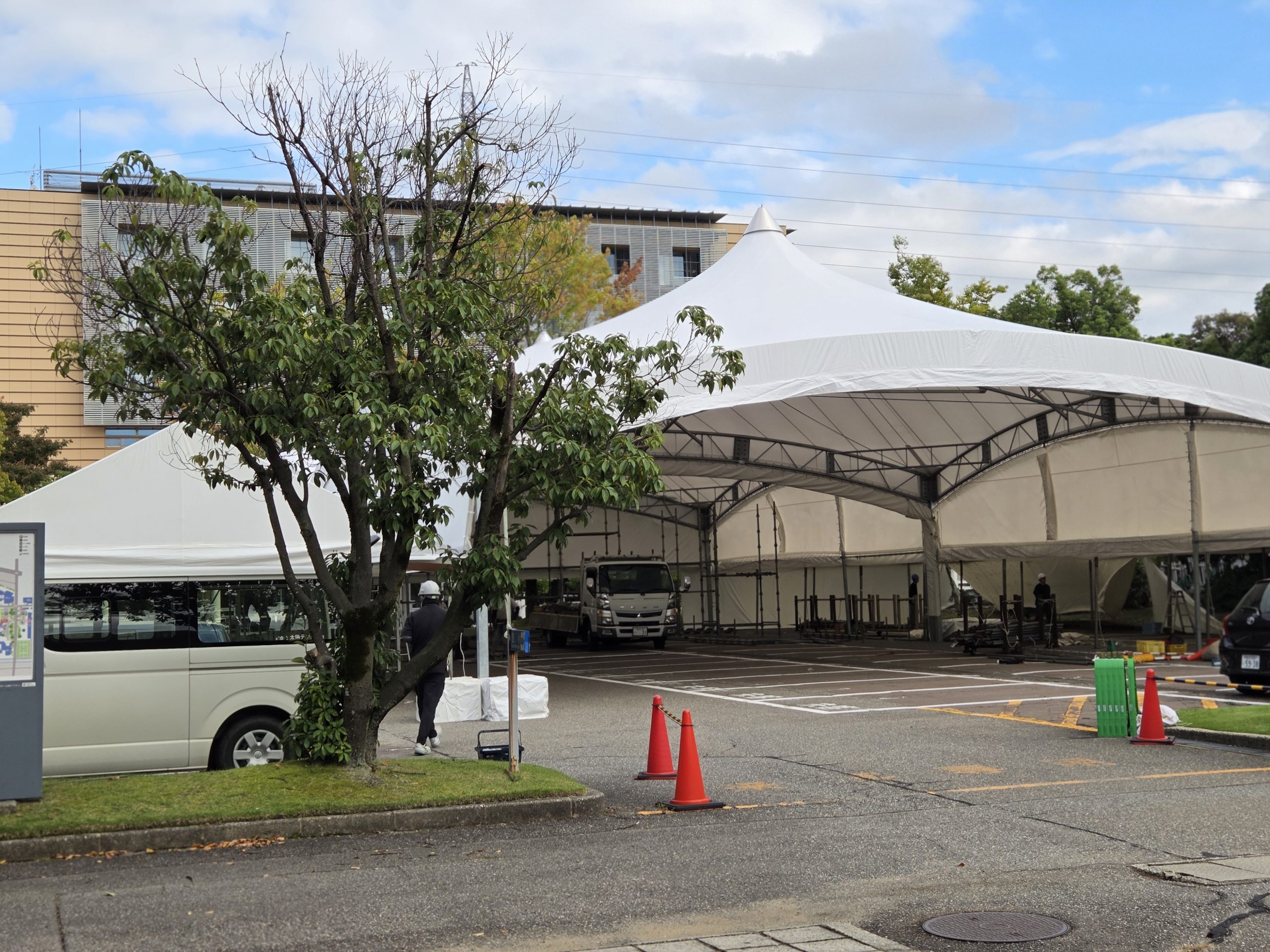
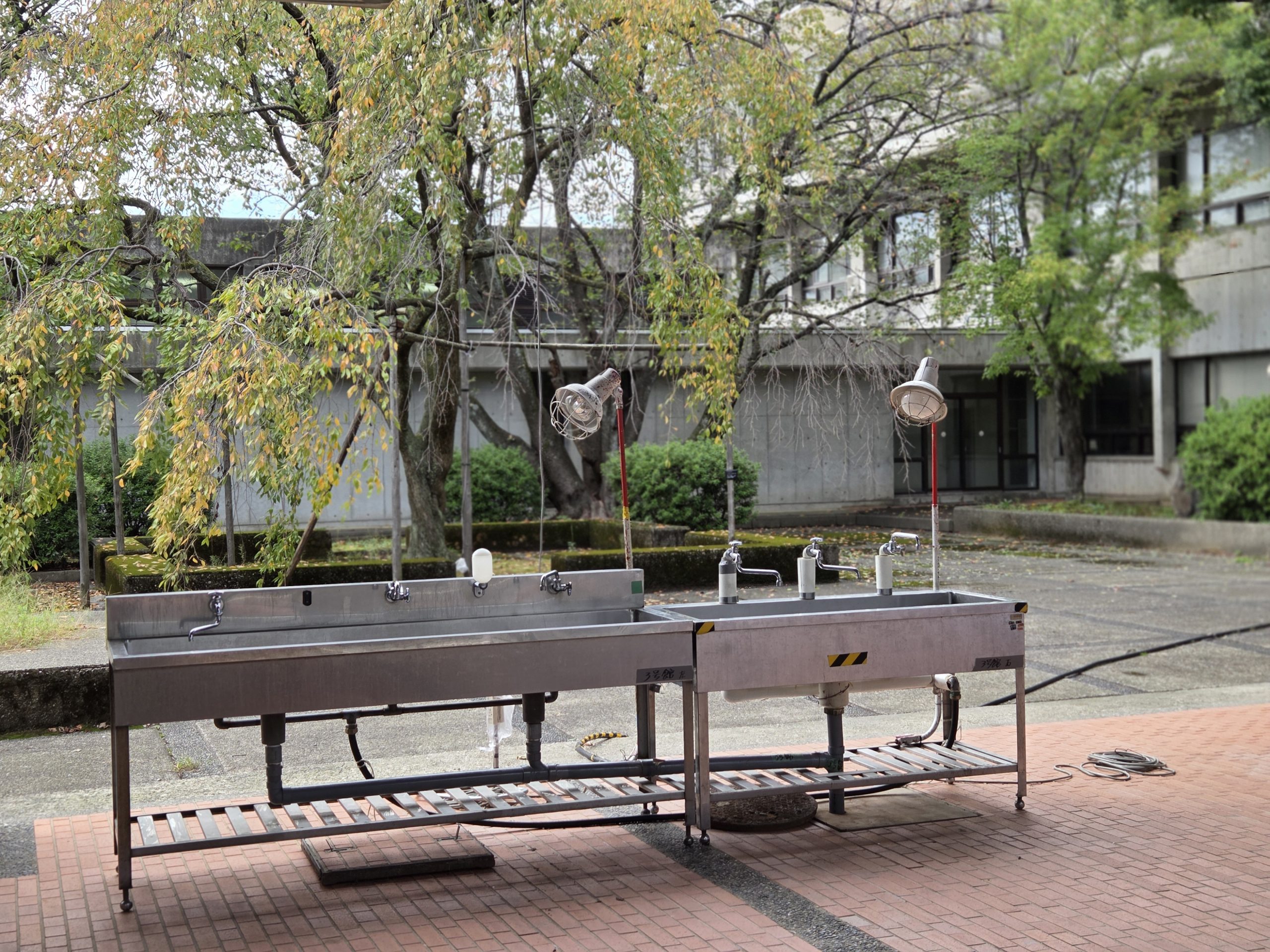
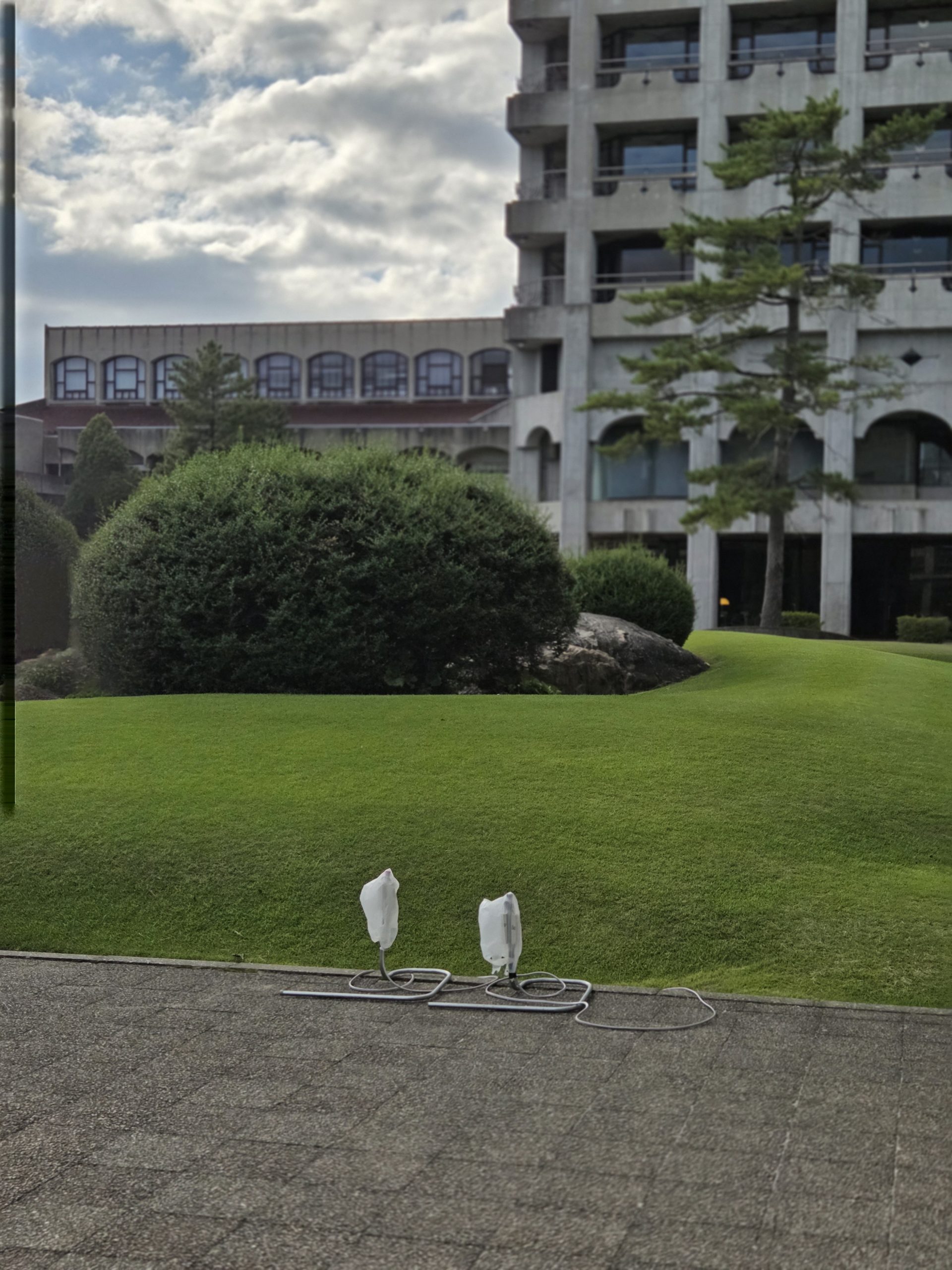 WAVEプロジェクトのみんなが放送するのは、ここら辺。。
探してね。
もしかすると、インタビューされたりして( *´艸`)
あ、模擬店もあるからね、
チゲ鍋。チゲ鍋。チゲ鍋。
もう、お口はチゲ鍋。
スイーツもあるし♡
あとは来てのお楽しみ~♬♪
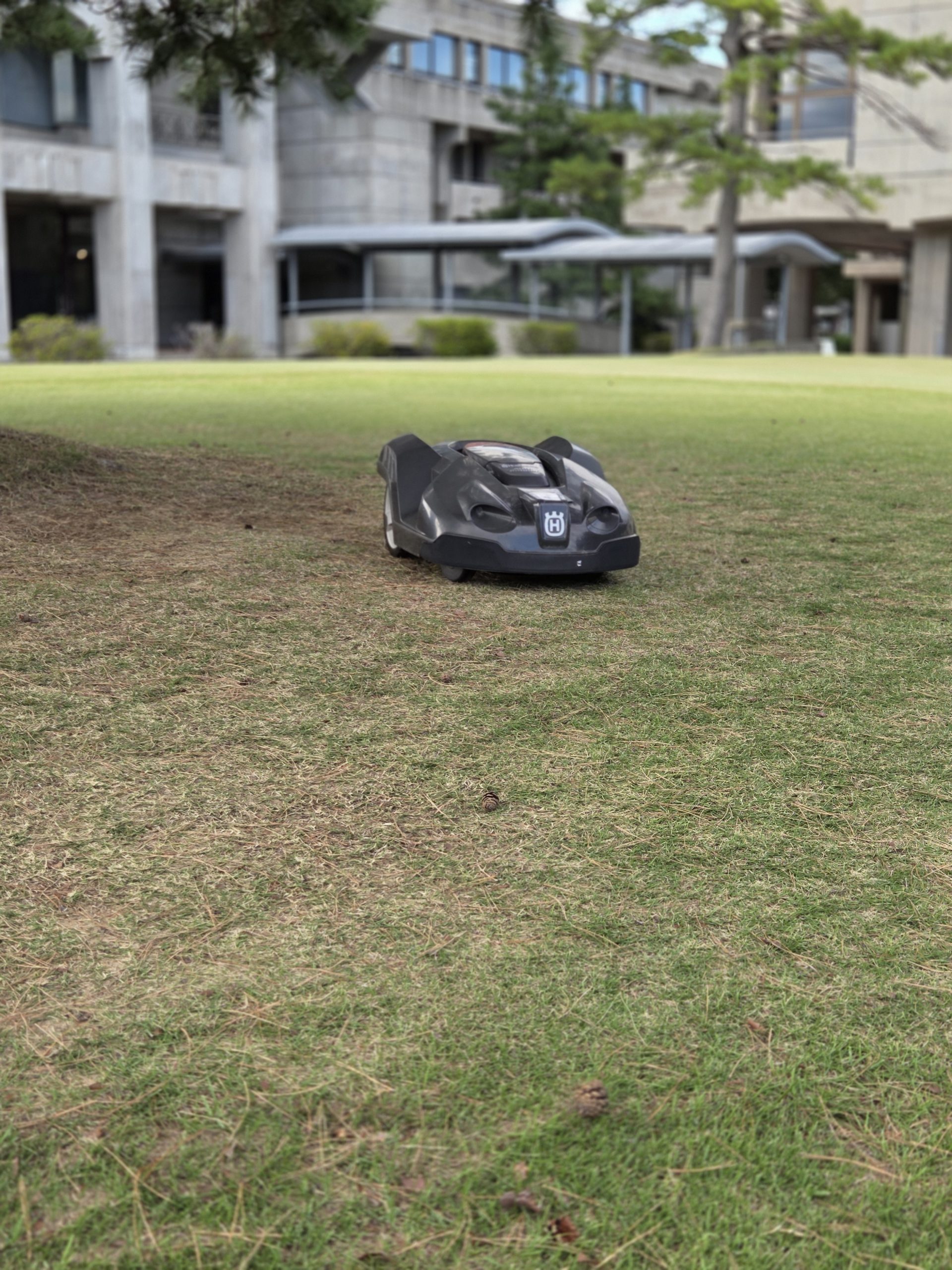 俺も頑張って掃除してるぜ!
(by 芝刈りまかせてロボットくん)
きれいにしときま~ぁす♡
用事があって来れないわって人は、生放送聴いて雰囲気だけでも味わってね。。。
あ、と、は、天気かぁ~~
晴れますようにっ
みんな、待ってるよーーー
(なかにしみき)
職場体験!わくわ~くするよっ
今年、第2弾!!
わくワ~ク体験が始まってますっ!(^^)!
ここ、えふえむ・エヌ・ワンを選んでくれたのはっ・・・(ドルルルルッ)
野々市中学校2年のお二人♡
画像はありませんが(ごめんなさい)昨日・今日の2日間、ラジオ局体験してますよ(#^^#)
1日目は見学やラジオについてのレクチャー、
そして2日目は、なんと生放送を体験します❢
もちろん、声出し練習から機材の使い方も体験します。
楽しそうに、そして一生懸命な姿を見ていると、毎年感動しているんです・・・えへっ
たった2日間だけど、たっくさん体験して、大人はこんなことしてるんだって感じてください。
ラジオ局の仕事ってどんなだろうって思ったら、ホームページチェックしてくださいね。→FM-N1
生放送中はスタジオの様子も見れます♡
さ、今日も野々市中学校の2人に負けないよう、がんばろっと♬
(なかにしみき)
今年も・・・そわそわが始まった!by工大祭♬
2025年10月3日
さてさて、お気づきでしょうかっ♬
工大正門前に登場したんです~
これ↓↓↓

ということは・・・
そ、今年もやるよ、工大祭♡
で、毎日放送してるWAVEプロジェクトもやるよ、工大祭特番♡♡
詳細はまだ内緒(*'ω'*)
模擬店も楽しみだねっっ
わくわく、そわそわ、秋のお楽しみ♪
ちょこちょこ様子を投稿するからチェックしてね~
あ、普段の番組もよろしく❢
10月1日から改編で新番組もはじまってま~す!(^^)!
番組チェックはこちら✋
(なかにしみき)
ジェームス・テイラーのPMCでみつけた!Gang of Four(ギャング・オブ・フォー)「Entertainment!(エンターテイメント!)」(1979年)
2025年10月1日
Gang of Four(ギャング・オブ・フォー)「Entertainment!(エンターテイメント!)」(1979年)
ギャング・オブ・フォーは1977年リーズ大学で出会った4人です。最初は楽器をそんなに上手く使えませんでしたが、最終的に他のバンドに大きな影響を与えました。例えば、1980年代のREMやニルヴァーナ、レッド・ホット・チリー・ペッパーズなどはギャング・オブ・フォーのことについてインタービューで話しました。さらに、2000年代のフランツ・フェルディナンドやブロック・パーティの音楽を聴くとギャング・オブ・フォーの影響を分かってくると思います。
「エンターテイメント!」はギャング・オブ・フォーのファーストアルバムでした。リリースの時には色んな良いレビューがありました。ギャング・オブ・フォーは1970年代のパンクをレゲエとファンクに混ぜて、みんながあまり聞いたことがない音楽を作りました。
ギタリストのアンディ・ギルの弾くスタイルは不思議でしたが、たくさんのギタリストが真似をしました。ボーカリストのジョン・キングは作詞の中で南アメリカの戦争や北アイルランドの戦争やマスメディアや歴史を含めて、幅広いトピックについて歌いました。でも、こういう政治的なことを普通の社会人の人生との関係での歌詞を作りました。
アンディ・ギルは2020年に亡くなりました。ベーシストのデイブ・アレンは2025年4月に亡くなりました。ギャング・オブ・フォーは今年の6月にキャリアとして最後のライブで「エンターテイメント!」をフルレングスで演奏しました。(他の曲も演奏しました。)このライブはロンドンのケンティッシュ・タウン・フォーラムと50年前に出会ったリーズ市のブルーデネル・ソーシャル・クラブで行われました。
* KIT・PMCとは:金沢工業大学がライブラリー・センターに設置しているレコード・ライブラリー「ポピュラー・ミュージック・コレクション」の頭文字をとった略称。全て寄贈されたレコードで構成され、28万枚を所蔵している。
ジェームス・テイラー
ジェームス・テイラーは毎月第3火曜日夕方5時半「課外授業の勧め:ロスト・イン・ミュージック」のパーソナリティーです。
Gang of Four – ‘Entertainment!’ (1979)
Gang of Four formed as students at Leeds University in 1977. Initially they couldn’t really play their instruments very well, but they went on to become a hugely influential group, mentioned by artists formed in the 1980s like REM, Nirvana, INXS, and Red Hot Chili Peppers. Gang of Four’s influence can also be heard in the music of bands who rose to fame in the 2000s like Franz Ferdinand and Bloc Party, amongst many others.
‘Entertainment!’ was Gang of Four’s debut album and was critically acclaimed on release. It followed the success of their debut single, ‘Damaged Goods’, which is on this album. The band took the punk music that had emerged during the 1970s and mixed it with aspects of other genres like funk and reggae to produce something original.
Guitarist Andy Gill’s style was unusual at the time but would be copied by many guitarists that came after him. Singer Jon King wrote most of the lyrics, and the 12 songs on the album cover topics as diverse as terrorism and guerrilla war in South America, prisoners in Northern Ireland, mass media reporting, the great man theory of history. King stated that he was inspired by the idea that politics and people’s personal lives cannot be separated, so although the topics seem quite grandiose, they are dealt in the lyrics through narratives of regular people’s lives.
Andy Gill died in 2020. Bassist Dave Allen died in April this year. In June this year, Gang of Four performed ‘Entertainment!’ in full as part of their final concerts in the UK. The concerts took place at the Kentish Town Forum in London and the legendary small venue, the Brudenell Social Club in Leeds, just along the road from where they met as students 50 years ago.
* The Popular Music Collection (PMC) is located in Kanazawa Institute of Technology’s Library Center, and is the home of 280,000 donated and catalogued LPs, which are available for listening.
James Taylor
James Taylor presents ‘Lost in Music’ at 5.30 PM on the third Tuesday of every month.
ジェームス・テイラーのPMCでみつけた!The Dave Clark Five(デイヴ・クラーク・ファイヴ)「Glad All Over(グラッド・オール・オーバー)」(1963年)
2025年9月1日
The Dave Clark Five(デイヴ・クラーク・ファイヴ)「Glad All Over(グラッド・オール・オーバー)」(1963年)
クリスタル・パレス・フットボール・クラブは1905年南ロンドンに創立されました。1851年にロンドンで行われた世界初万国博覧会のために作られたガラスの建物は「クリスタル・パレス」と言われ、万国博覧会後にハイド・パークから南ロンドンに移動させました。移動先の場所の名前は「クリスタル・パレス」に変更をして、サッカークラブはその名前を使うことにしました。
クリスタル・パレス・フットボール・クラブの歴史の中は主に英語で言う「ヨーヨークラブ」でした。その「ヨーヨークラブ」の意味は昇格したり降格したりするクラブという意味です。しかし、1980年代後半にパレスは数シーズンに良い結果を出せて、ディビジョン1まで上がることにできました。
1990年に初めてFAカップ(日本の天皇杯のような大会)の決勝戦で出場しました。相手はマンチェスターユナイテッドで、試合は延長戦で3対3に終わって、リプレイで負けてしまいました。1990年代と2000年代にまたヨーヨークラブになってしまって、2010年にはお金の問題でなくなる可能性が非常に高くなりました。でも、パレスのサポーターである方々がクラブを買いました。
それから、パレスは2013年にプレミアリーグに昇格しました。2016年にまたマンチェスターユナイテッドとFAカップの決勝戦があって、また延長戦まで行って、また負けてしまいました。
2025年5月、パレスは3回目のFAカップ決勝戦の出場することにできました。今回の相手は世界で最もお金持ちのクラブ、もっとも良い監督がいる、各国代表で選ばれてる選手たくさんいるクラブのマンチェスターシティでした。でも今回パレスは自身を持って、1対0で勝利できました。約120年クラブ史初タイトルを優勝できました。
なぜこのブログでクリスタル・パレスについてを書いているのでしょうか。その理由は1960年代にパレスのスタジアムDJはデイヴ・クラーク・ファイヴの新曲を紹介しました。その曲は「グラッド・オール・オーバー」でした。パレスのサポーターはこの曲を気に入り、試合でよく歌うようになりました。それからパレスはゴールを決める時と買った時に歌う曲になりました。1990年FAカップ決勝戦の前に選手は「グラッド・オール・オーバー」を収録して、シングルを出しました。
2025年にFAカップ準決勝戦後、パレスのディフェンダーの一人はこう語っていました。「(決勝戦の試合会場の)ウェンブリーは揺れて、最高になるよ」。2025年5月17日、試合終了の笛が鳴って、クリスタル・パレスが優勝を決めて、パレスのサポーターが「グラッド・オール・オーバー」を歌ってウェンブリー・スタジアムを揺らせました。
本当に最高でした。
* KIT・PMCとは:金沢工業大学がライブラリー・センターに設置しているレコード・ライブラリー「ポピュラー・ミュージック・コレクション」の頭文字をとった略称。全て寄贈されたレコードで構成され、28万枚を所蔵している。
ジェームス・テイラー
ジェームス・テイラーは毎月第3火曜日夕方5時半「課外授業の勧め:ロスト・イン・ミュージック」のパーソナリティーです。
The Dave Clark Five – ‘Glad All Over’ (1963)
Crystal Palace Football Club were formed in 1905, in south London. The club takes its name from the glass exhibition hall that was constructed for the first Expo, which was held in London in 1851. The hall was subsequently moved to Sydenham Hill in south London, and the area was renamed Crystal Palace.
For much of the club’s history, Palace were what we call a yo-yo club: they would move up and down between the divisions, but rarely have any periods of sustained success. During the late 1980s, the club did manage to put together a few good seasons, achieving promotion to the First Division with a squad of mostly local players and those who had been signed from non-league, and who would go on to greater success after leaving Palace.
In 1990, Palace reached the final of the FA Cup, which is the equivalent of the Emperor’s Cup in Japanese football. They faced Manchester United, and the game ended 3-3 after extra time, which meant there would be a replay. Palace lost the replay 1-0. During the 1990s and 2000s, Palace would revert to their yo-yo club status, and by 2010 they were in financial trouble. They were saved at the last moment by a group of Palace-supporting local businessmen.
From there, Palace’s trajectory was upward. There was promotion to the Premier League in 2013, where Palace have played ever since, always finishing in the bottom half. In 2016, Palace reached the FA Cup Final for the second time ever. Again, they faced Manchester United, and again the game went to extra time. Again, Palace lost; 2-1 that time.
In May 2025, Palace reached the FA Cup Final for the third time. They faced Manchester City, one of the richest clubs in the world, with the manager who many believe is the best in the world, and many of the best players in the world. But Palace had belief, and won 1-0. After almost 120 years, the club had finally won its first major trophy.
Why am I writing about Crystal Palace? Well, in the mid-1960s, the stadium DJ at Selhurst Park, Palace’s home ground, played a new song by the Dave Clark Five during half time. The song was ‘Glad All Over’, and the fans took to it and began to sing it regularly at games. It became the club’s anthem, and it’s played when Palace score and when they win. Palace’s FA Cup Final squad even recorded and released their own version of the song in 1990. (Cup Final songs were a tradition until the early 2000s; many of them went to number one in the charts.)
After Palace won their semi-final in the 2025 FA Cup, one of the defenders said, “Wembley will shake and it will be beautiful”. On 17th May, 2025, when the final whistle blew and Crystal Palace won the FA Cup, Wembley shook to the sound of Palace supporters singing ‘Glad All Over’.
And it was so, so beautiful.
* The Popular Music Collection (PMC) is located in Kanazawa Institute of Technology’s Library Center, and is the home of 280,000 donated and catalogued LPs, which are available for listening.
James Taylor
James Taylor presents ‘Lost in Music’ at 5.30 PM on the third Tuesday of every month.
ジェームス・テイラーのPMCでみつけた!Paul Robeson(ポール・ロブスン)「Negro Spirituals(ニグロ・スピリチュアルをうたう」)(1962年)
2025年8月1日
Paul Robeson(ポール・ロブスン)「Negro Spirituals(ニグロ・スピリチュアルをうたう」)(1962年)
ポール・ロブスン(1898年~1976年)は歌詞、役者、アメリカンフットボール選手、そして政治活動者として大きな影響があった人でした。
このレコードはスピリチュアルという歌のコレクションです。スピリチュアルソングは黒人の文化から出てきたジャンルです。スピリチュアルソングの多くは奴隷の人たちが歌い、そしてキリスト教の歌が多いです。奴隷の人たちは働きながら一緒に歌うので、スピリチュアルソングは昔のプロテストソングのような歌です。しかし、奴隷所有者が怖がらないように、スピリチュアルソングの歌詞の本当の意味は隠れています。
キリスト教の影響でスピリチュアルソングはゴスペルに似ています。このレコードにある曲は今でも世界中の教会で歌われています(例えば「アイム・ゴンナ・レット・イット・シャイン」と「ディデゥント・マイ・ロード・デリヴァー・ダニエル」)。「アメージング・グレース」はアメリカの色んな重要な場面でよく使われています。そして、イングランドのラグビーユニオン男子代表のサポーターは試合で「スイング・ロー・スイート・チャリオット」を歌います。
ポール・ロブスンの演奏の機会がだんだん減ってきました。なぜかというと、彼の政治活動者のせいでアメリカのFBI(連邦捜査局)とCIA(中央情報局)は長年、ローブソンを監視していたからです。そして、パスポートを取り消されました。
ポール・ロブスンの人生はとても面白くて、そして政治的にも、音楽的にも大きな影響がありました。僕の大好きなバンド、マニック・ストリート・プリーチャーズは2001年にローブソンへのオマージュの曲をリリースしました。曲名は「Let Robeson Sing(ローブソンを歌わせて)」、そしてマニックスはこういうことを歌たいました:
「とても純粋な声
とても強い意志
僕はあなたのような生き方を学ばないと
あなたのような歌い方を学ばないと」
* KIT・PMCとは:金沢工業大学がライブラリー・センターに設置しているレコード・ライブラリー「ポピュラー・ミュージック・コレクション」の頭文字をとった略称。全て寄贈されたレコードで構成され、28万枚を所蔵している。
ジェームス・テイラー
ジェームス・テイラーは毎月第3火曜日夕方5時半「課外授業の勧め:ロスト・イン・ミュージック」のパーソナリティーです。
Paul Robeson – ‘Negro Spirituals’ (1962)
Paul Robeson (1898-1976) was a hugely influential person in public life through his achievements as a singer, actor, American football player, and later through his political activism.
This record is a collection of spirituals sung by Robeson. Spirituals are songs that traditionally emerged from Black culture. Many of them originated in songs sung by slaves and they are often steeped in religion, usually Christianity. Spirituals could be seen as an early form of protest song, as the slaves would sing them together. Although they were protests, the lyrics were phrased in such a way as not to anger or panic the slave owners, or even let them realise the true meaning of what was being sung.
The influence of Christianity on these songs and the style have similarities to gospel music. Some of the songs on this record are still sung in churches around the world today (‘I’m Gonna Let it Shine’; ‘Didn’t My Lord Deliver Daniel’), while some are an integral part of ceremonies in certain countries (such as ‘Amazing Grace’ in the USA). ‘Swing Low Sweet Chariot’ has been adopted by supporters of the England rugby union team and is regularly sung at their matches.
Robeson came to be a hot ticket due to the rarity of his performances. But why did he only rarely perform? It was largely due to his increased political activism, which made him a target for censorship and restrictions on travel: the FBI and CIA investigated him and his passport was confiscated for many years.
Paul Robeson lived a fascinating life, and he was hugely influential musically and politically. In 2001, one of my favourite bands, Manic Street Preachers recorded and released a song called “Let Robeson Sing”. The chorus sums up Robeson’s morals and talent:
“A voice so pure
A vision so clear
I gotta learn to live like you
Learn to sing like you”
* The Popular Music Collection (PMC) is located in Kanazawa Institute of Technology’s Library Center, and is the home of 280,000 donated and catalogued LPs, which are available for listening.
James Taylor
James Taylor presents ‘Lost in Music’ at 5.30 PM on the third Tuesday of every month.
わくわーく体験♪
2025年7月3日
コロナ災禍でストップしてたわくわーく体験・・
何それ!?って???
中学生の職場体験のことだよん♡
そ、来てくれましたっ、ここFMーN1にも(#^^#)
今回来てくれたのは、野々市市布水中学校の2名(^^♪
選んでくれてありがとうぅぅぅ~
(画像はないけど)
とっても真剣なまなざしに、スタッフのほうが緊張!?
今日と明日、よろしくお願いしますっ
大人もがんばらなきゃっ・・・だね(*'ω'*)
(なかにしみき)
Anton Karas(アントン・カラス)「The Third Man OST(映画「第三の男」オリジナル・サウンド・トラック)」(1968年)
2025年7月1日
Anton Karas(アントン・カラス)「The Third Man OST(映画「第三の男」オリジナル・サウンド・トラック)」(1968年)
「第三の男」は1949年にキャロル・リードが監督を務めていたフィルム・ノワールです。脚本は著者のグレアム・グリーンでした。話の内容は、ホリー・マーチンス(ジョゼフ・コットン役)はオーストリア・ウイーン市に友達のハリー・ライム(オーソン・ウェルズ役)から誘われましたが、マーチンスが着く前にライムが死んでしまいます。しかし、マーチンスは何が起こったかと色んな人に聞くと、怪しいことをたくさん分かってきて、危険なこともたくさんありました。そして、最後に実は死んでなかったライムと会えます。
リリースの時からとても人気な映画で、それからずっと色んな世代の人たちもそう思われています。理由の一つはオーソン・ウェルズです。なぜかというと、映画に10分しか出ていませんが、映画の歴史的な印象的なパフォーマンスをするからです。
もう一つの理由はサウンドトラックです。時にアントン・カラス作曲の「第三の男のテーマ」です。「第三の男のテーマ」はチターという楽器を使って演奏します。キャロル・リードと他に映画の関係者が夜ご飯を食べに行って、アントン・カラスは同じレストランで演奏していました。キャロル・リードは音楽に気に入って、アントン・カラスを映画に音楽を作ることに誘われました。
僕は最近久しぶりに「第三の男」を見ました。本当に素晴らしい映画ですよ。是非見てみてください。
* KIT・PMCとは:金沢工業大学がライブラリー・センターに設置しているレコード・ライブラリー「ポピュラー・ミュージック・コレクション」の頭文字をとった略称。全て寄贈されたレコードで構成され、28万枚を所蔵している。
ジェームス・テイラー
ジェームス・テイラーは毎月第3火曜日夕方5時半「課外授業の勧め:ロスト・イン・ミュージック」のパーソナリティーです。
Anton Karas – ‘The Third Man’ OST (1968)
‘The Third Man’ is a 1949 film noir directed by Carol Reed and based on a screenplay by the author Graham Greene. It’s the story of a writer called Holly Martins, played by Joseph Cotton, who travels to Occupied Vienna on the invitation of his old friend, Harry Lime – who’s played by a show-stealing Orson Welles. Before Martins arrives in Vienna, Lime dies in an accident, but as Martins tries to find out what happened, he realises there are inconsistencies in the stories he hears. Martins begins to investigate, and finds himself in more and more danger until finally meeting the definitely not-dead Lime.
‘The Third Man’ was critically acclaimed on release and has been highly regarded ever since, regularly being ranked highly in polls of the greatest British films of all time. Part of the reason for that is Welles, who is only on screen for about 10 minutes but puts in one of the most memorable performances not just of his career, but in the history of cinema.
Another reason for the success of ‘The Third Man’ is the soundtrack, particularly the theme, which was written and performed by Anton Karas. What stands out about ‘The Third Man Theme’ is that it’s played on a zither, an unusual instrument that creates an unusual sound. The way Karas was recruited to do the soundtrack was also unusual: he was performing in a restaurant for tips when Reed and others involved in the film were having dinner. They noticed the music and managed to arrange for Karas to work with them on the film.
I recently watched ‘The Third Man’ for the first time in many years. It’s still excellent, and I recommend you (re)watch it too.
* The Popular Music Collection (PMC) is located in Kanazawa Institute of Technology’s Library Center, and is the home of 280,000 donated and catalogued LPs, which are available for listening.
James Taylor
James Taylor presents ‘Lost in Music’ at 5.30 PM on the third Tuesday of every month.