ジェームス・テイラーのPMCでみつけた!オムニバス盤「SOCA TRAIN」
2021年11月1日
オムニバス盤
「SOCA TRAIN」(1984年)
このオムニバス盤はソカという音楽のレコードですが、実は僕はソカについてを何も知りません。(でもこのレコードの1曲を知っていました:Arrowの「HOT HOT HOT」。)ちょっと調べると簡単に説明できます。ソカはトリニダード・トバゴで誕生したカリプソと他のジャンルを混ぜた1970年代前半に新しくできたジャンルです。今回のブログでこのレコードを選ぶ理由はトラック・リストにある一人のアーティストの名前に目を引かれたからです。そのアーティストLord Kitchenerです。
Lord Kitchenerはトリニダード出身のカリプソ歌手でした。名前は分からないかもしれませんが、曲は聞いたことがあると思います。Lord Kitchenerの有名な曲はハリー・ベラフォンテが歌った「JUMP IN THE LINE(SHAKE, SENORA)」です。
でも、Lord Kitchenerの最も有名な曲は「LONDON IS THE PLACE FOR ME」です。僕はこの曲を2014年の映画「パッディントン」で知りました。「パッディントン」には若い難民の熊がペルーからロンドンまで新しい家と家族を探しに来る話です。見たことがない方は是非見てください。最高に面白い映画です。
Lord Kitchenerは1948年に祝うために「LONDON IS THE PLACE FOR ME」を作曲しました。その時、1027人は西インド諸島に船を乗って、新しい生活を決まるためにイギリスに行きました。その船の名前は「エンパイア・ウィンドラッシュ」でした。その時、西インド諸島は大英帝国に入っていたので、簡単にイギリスに行けました。その人たちは「ウィンドラッシュ世代」と言われてます。「エンパイア・ウィンドラッシュ」でイギリスについたとき、Lord Kitchenerはニュースのカメラの前で「LONDON IS THE PLACE FOR ME」を歌いました。「LONDON IS THE PLACE FOR ME」は新しくきた人たちの楽観的な歌詞があります。例えば、Lord Kitchenerはロンドンで暖かく迎えてくれる地元の人たちが多いということを歌います。
残念ながら、地元の人たちはそんなに暖かく迎えてくれなかった。英国人なのに、西インド諸島から来た人たちはいろんな障害がありました。それでも、ウィンドラッシュ世代の人たちはイギリスの社会や文化に大きな影響がありました。対二次世界大戦の後、西インド諸島はイギリスの建物を立て直すこともして、国民保健サービスと公共交通にも働いていました。このレコードを聞くと、文化の影響を分かると思います。今でもウィンドラッシュ世代の人たちは差別と戦っています。
* KIT・PMCとは:金沢工業大学がライブラリー・センターに設置しているレコード・ライブラリー「ポピュラー・ミュージック・コレクション」の頭文字をとった略称。
全て寄贈されたレコードで構成され、26万枚を所蔵している。
ジェームス・テイラー
ジェームス・テイラーは毎月第3火曜日夕方5時30分~
「課外授業の進め~ロスト・イン・ミュージック」のパーソナリティーです。
Various – ‘Soca Train’
Truth be told, I know very little about soca music, or Caribbean music in general, although I did know one song from this record (‘Hot Hot Hot’ by Arrow). It turns out that soca is from Trinidad and Tobago, and grew out of calypso mixed with a variety of other genres. The reason I’ve picked this record for this month’s blog is that one name on the track list jumped out at me: Kitchener, or to give him his full name, Lord Kitchener.
Lord Kitchener was a calypso singer from Trinidad whose name you might not know but whose songs you may have heard. One of his famous ones is ‘Jump in the Line (Shake, Señora)’, which he composed and which was sung by Harry Belafonte.
Arguably Lord Kitchener’s most famous song is ‘London is the Place for Me’, which I knew from the excellent 2014 film ‘Paddington’ – if you haven’t seen it, I can’t recommend it highly enough. A cover of the song features prominently in the film, which tells of a young bear’s attempts to find a home in London after travelling as a stowaway from Peru.
Lord Kitchener became very famous in Britain in 1948 when he arrived on the Empire Windrush, a ship that brought 1,027 people from the West Indies to live and work in Britain. As the ship arrived in Britain, Kitchener sang a couple of verses of ‘London is the Place for Me’, which he had composed specially for the occasion, for news cameras. The sentiment of the lyrics relates the optimism of the new arrivals, who would come to be known as the Windrush Generation: Kitchener sings about the warm welcome any newcomer will receive in London.
Unfortunately, that optimism was misplaced. The new arrivals, despite being British subjects, faced numerous obstacles in their new lives in the “mother country”. Nevertheless, they had a huge effect on life and culture in the UK, part of which this compilation record demonstrates. Even now, in 2021, members of the Windrush Generation fight against discrimination from various areas of British society, despite the huge contribution they have made, helping to rebuild the country after World War Two, and to prop up the health service and public transportation system.
* The Popular Music Collection (PMC) is located in Kanazawa Institute of Technology’s Library Center, and is the home of 260,000 donated and catalogued LPs, which are available for listening.
James Taylor
James Taylor presents ‘Lost in Music’ at 5.30 PM on the third Tuesday of every month.
亀(?)の親子発見っ❢ in 扇が丘キャンパス
2021年10月27日
普段何気なく歩いている金沢工業大学の扇が丘キャンパス。
少しずつ学生のにぎわいも戻ってきてる感じがします。
ところで、今日はいつも素通りしてた植え込み横・・・
はたっと気づいたのだが・・・

亀っ‼ なのでは!??
親子なのか⁇
いつの間に出現したのだ?
もしかして他にもいるかもしれないぞ。。。
が、今回は近くにはもう見つけられなかった。残念。
次からは気を付けて歩かなくてはっ!
そして、待望のキンモクセイも咲きました♡

左がキンモクセイ
右がギンモクセイ
同じころに咲くんですね~
知らなかった。
そして
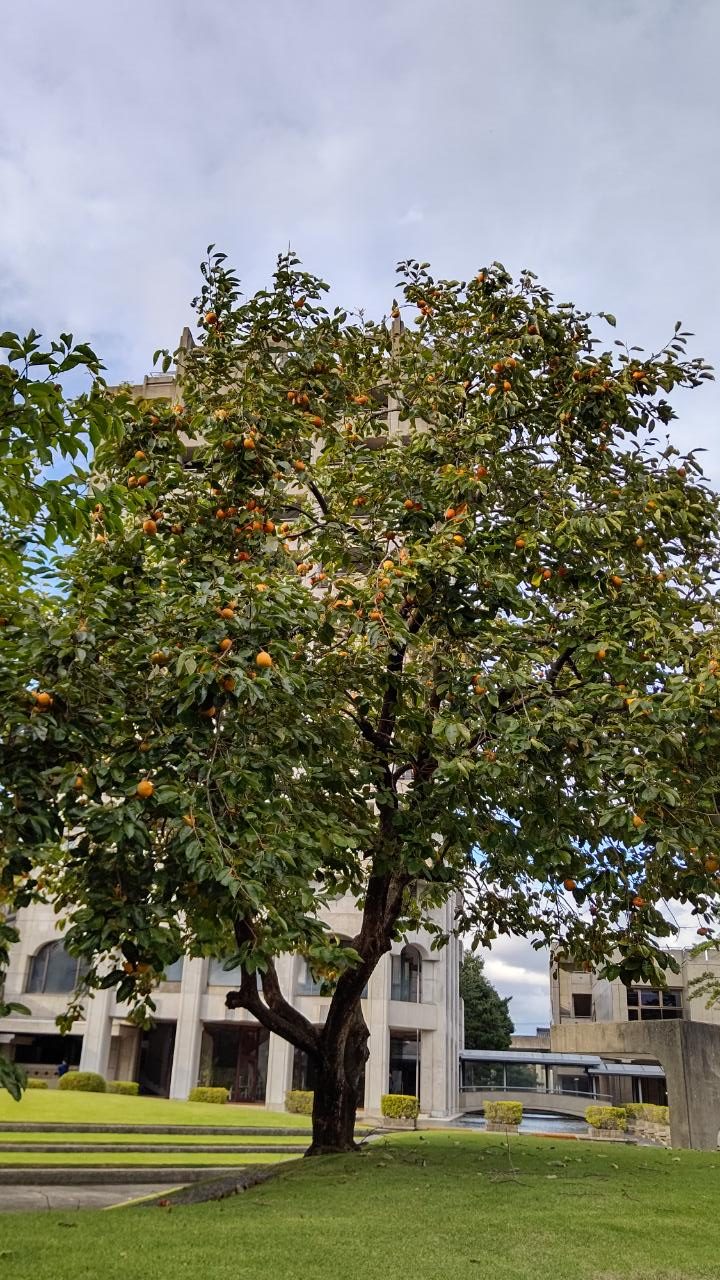
柿ーっ‼
残念ですが、もいではいけません。
大学内の植物になっている実は勝手に採ってはいけないのです・・
あ、落ちたものはいいそうですよ!(^^)!
忙しい毎日だけど、ちょっと周りを見渡そう~
FM-N1から、日常のちいさな出来事をお届けしました♬
ラジオも聴いてね(^^♪
(なかにしみき)
2年ぶり♡工大祭開催しました、、、、、よっ!!
2021年10月19日
皆さん!
今年こそはっ!!
ということで、去る10月16・17日は工大祭が開催されました♬
なにっ!?行きたかったのに(-_-メ) と思ったあなた。
ごめんなさい。。
工大生と教職員のみ参加、しかも屋内企画だけの模擬店無しだったんですぅ・・・
でもでも!ちゃあ~んと、WAVEプロジェクトのみんなが工大祭特番「ミライクエスト~願いを叶えて~」で中継も交えて工大祭の様子を放送してましたΣ(・□・;)
気づいたあなたは、工大通♡
ツイッターもインスタも都度都度投稿あったから、楽しんでもらえたかな。。。
来年こそは、たくさんの方に楽しんでもらえる工大祭、そしてWAVEプロジェクトのみんなによる特番を開催しますよ~
もちろん模擬店もするから、WAVEプロジェクトの放送ブースとお店に足を運んでくださいねっ♬
いつもは毎日放送してるから、聴いたことない人は是非チェ~ック❢ <番組はこちらでチェック>
では、来年待ってるよ~~ん!

(なかにしみき)
ジェームス・テイラーのPMCでみつけた!Marvin Gaye「WHAT’S GOING ON(愛のゆくえ)」
2021年10月1日
Marvin Gaye
「WHAT’S GOING ON(愛のゆくえ)」(1971年)
1970年3月にマーヴィン・ゲイのデュエット・パートナーで大切な友人のタミー・テレルが死亡しました。その後、ゲイはうつ病になり、薬物とアルコールに溺れていきました。同時にゲイはアメリカの社会に対して不安や不満の気持ちを持ち始めました。ゲイは、アメリカ軍隊でベトナム戦争から帰国した弟から退役軍人の悪い経験について話を聞きました。
マーヴィン・ゲイはこのいくつかの出来事をアルバムに盛り込みました。そのアルバムは1971年の「WHAT’S GOING ON(ホワッツ・ゴーイン・オン、愛のゆくえ)」です。歌詞と音楽は両方ともそれ以前のモータウンが出した曲と全然違うので、モータウンの首脳陣は発売には消極的でした。「WHAT’S GOING ON(ホワッツ・ゴーイン・オン、愛のゆくえ)」にはモータウンが普段出していた2分~3分のラブ・ソングはありません。短い曲から長い曲のセグエもあり、スキャットもあり、ソウルやリズムアンドブルースやジャズやゴスペルのジャンルもあり、そして同じメロディーをいくつもの曲に出していることもあります。その同じメロディーが何回も出てくる理由は、「WHAT’S GOING ON(ホワッツ・ゴーイン・オン、愛のゆくえ)」は連作歌曲だからです。連作歌曲というのはテーマでつながっていて、順番に演じるように作っている数曲のことです。
「WHAT’S GOING ON(ホワッツ・ゴーイン・オン、愛のゆくえ)」は9曲ですが、それらの曲には様々な社会問題についての歌詞があります。1曲目の「ホワッツ・ゴーイン・オン(愛のゆくえ)」と2曲目の「ホワッツ・ハプニング・ブラザー(友に何が起きるのか)」は両方とも退役軍人の目からみたアメリカの社会についてです。「フライン・ハイ」は麻薬中毒について、「マーシー・マーシー・ミー」は自然環境の問題についてです。その他には貧困についての「イナー・シティ・ブルース(無への叫び)」と社会的弱者についての「セイヴ・ザ・チルドレン(御子に救いを)」です。そして「ゴッド・イズ・ラヴ(神の御前に)」と「ホーリー・ホーリー(全知全能の神よ)」でゲイの精神性を理解できます。このテーマはいつものモータウンの曲と全く違うものです。
モータウンの首脳陣の心配をよそに、「WHAT’S GOING ON(ホワッツ・ゴーイン・オン、愛のゆくえ)」は大ヒットしました。そして、今でも最も良いアルバムのリストによく出てきます。このアルバムを出したマーヴィン・ゲイにはヒット曲がたくさんありますが、個人的な問題もたくさんありました。マーヴィン・ゲイは1984年(当時44歳)に亡くなってしまいました。
このアルバムついて、残念なことがあります。それは50年たっても、マーヴィン・ゲイが歌っていた社会問題を一つも解決できていないことです。
* KIT・PMCとは:金沢工業大学がライブラリー・センターに設置しているレコード・ライブラリー「ポピュラー・ミュージック・コレクション」の頭文字をとった略称。全て寄贈されたレコードで構成され、26万枚を所蔵している。
ジェームス・テイラー
ジェームス・テイラーは毎月第3火曜日夕方5時半「課外授業の進め:ロスト・イン・ミュージック」のパーソナリティーです。
Marvin Gaye – ‘What’s Going On’
In March 1970, Marvin Gaye’s duet partner and close friend Tammi Terrell died. Gaye fell into a depression and began abusing drugs and alcohol. Gaye also began to experience a growing feeling of discontent towards American society, a feeling which was strengthened by letters he had received from his brother, who had served in the Vietnam War, describing the poor treatment of war veterans.
These things culminated in what many believe is Gaye’s finest album, ‘What’s Going On’, which was released in 1971. Lyrically and musically, ‘What’s Going On’ is a departure from standard Motown fare, so it faced some opposition from within Motown prior to its release. Instead of two- or three-minute radio-friendly songs, the album features short songs seguing into long songs, scat singing, a mix of genres that includes soul, R&B, jazz, and gospel, and the same melodies repeated in several places on the album,. The reason for the recurring melodies is that ‘What’s Going On’ is actually a song cycle: a set of songs that are linked by a theme and intended to be performed in a particular order.
Many of the songs on the album – particularly the opening two songs, ‘What’s Going On’ and ‘What’s Happening Brother’ – are from the perspective of a returning soldier, who struggles to come to terms with life back in the USA after serving in the Vietnam War. Gaye focuses on a wide range of social issues in just nine songs: drug addiction in ‘Flying High (in the Friendly Sky)’, the environment in ‘Mercy Mercy Me (The Ecology)’, poverty in ‘Inner City Blues (Make Me Wanna Holler)’, and disadvantaged children in ‘Save the Children’. Gaye’s spirituality is also prominent throughout the album, in ‘God Is Love’ and “Wholy Holy’. These topics are a far cry from the upbeat songs about young love upon which Motown had built its reputation.
Despite the concern of Motown’s executives, ‘What’s Going On’ was a hit and it regularly features prominently in lists of the greatest albums ever. Marvin Gaye went on to enjoy more commercial success while also experiencing financial and personal problems. He died in 1984, aged 44, after being shot by his father during a domestic argument.
The saddest thing about this album? Even 50 years on, we haven’t solved a single one of the social issues that Gaye sang about in 1971.
* The Popular Music Collection (PMC) is located in Kanazawa Institute of Technology’s Library Center, and is the home of 260,000 donated and catalogued LPs, which are available for listening.
James Taylor
James Taylor presents ‘Lost in Music’ at 5.30 PM on the third Tuesday of every month.
ちいさい秋、みつけた♬
2021年9月30日
朝晩涼しくなって、虫の声や田んぼの刈り取りの風景を見ると秋が来たな~って思いませんか・・・
でも、マスクのせいで秋の香りが嗅げないっ!
そろそろキンモクセイが香ってくるはず。。
ということで、秋を探しに、えふえむ・エヌ・ワンのある金沢工業大学のキャンパスをてくてく。
外部の方は自粛で制限されてるから、人通りもまばらです。
実はキャンパス内には、「りんごの木」があります。
その名はなんと、『ニュートンの木』❢
絶対嘘くさいと思ったあなた!
来年の工大祭には是非来て、探してみてください~



さ、肝心のキンモクセイを見つけたけど、全然咲いてません・・・
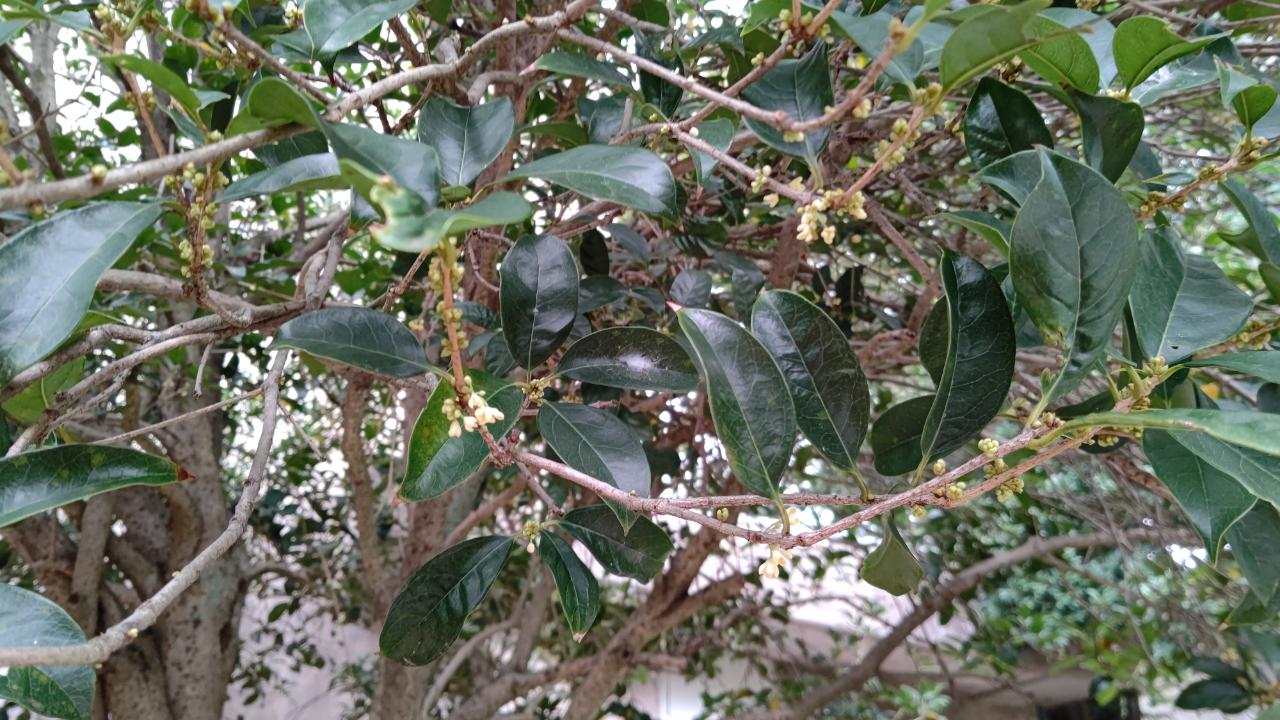 となりのキンモクセイ、咲いてるっっと思ったら、色が違う…
もしや、これがギンモクセイではっ!
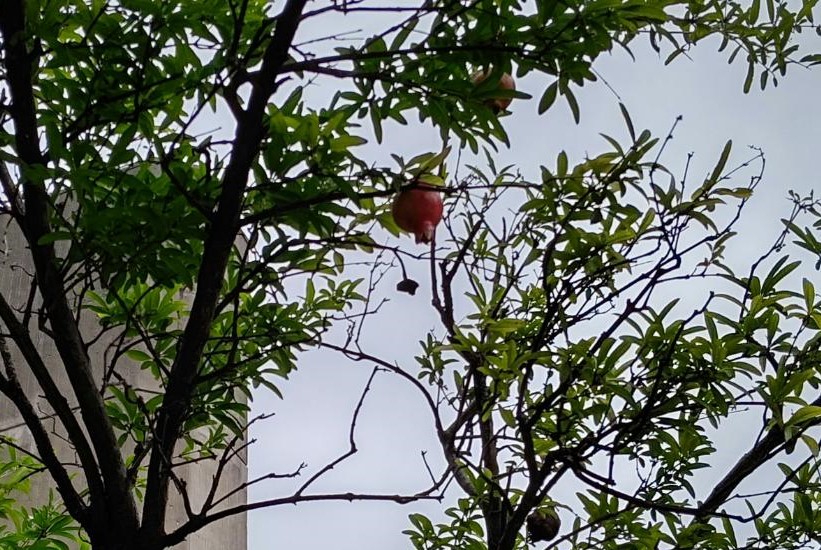 さらに、ザクロらしき実も発見!!
なんだか楽しい♬
皆さんも近くの散策を楽しんでみてくださいね~♡
あ、散策の際は、ラジオも忘れずに!
76.3MHzにあわせてくださいねっ
(なかにしみき)
ジェームス・テイラーのPMCでみつけた!Marvin Gaye & Tammi Terrell「UNITED」
2021年9月1日
Marvin Gaye & Tammi Terrell (マーヴィン・ゲイ&タミー・テレル)
「UNITED(ユナイテッド)」(1967年)
マーヴィン・ゲイとタミー・テレルは二人とも短い命で、嬉しい経験もつらい経験もたくさんありました。このアルバム、「UNITED(ユナイテッド)」にはゲイとテレルの有名な曲を入っています。例えば、今でも映画やテレビやCMで使われている「エイント・ノー・マウンテン・ハイ・イナフ」。他に「UNITED(ユナイテッド)」から出したシングルは「ユア・プレシャス・ラヴ」と「君との愛に生きて」です。
タミー・テレルとデュエットする前、ゲイはメアリー・ウェルズとキム・ウェストンとアルバムを制作、またヒット曲を出しましたが、ただ音楽的にも性格的にもタミー・テレルはマーヴィン・ゲイとの相性が一番いいパートナーでした。「UNITED(ユナイテッド)」を聞くと、2人の深い関係を感じることができます。この深い関係の影響で、1967年にゲイとテレルが浮気をしていたとの噂話も飛び交いました。
マーヴィン・ゲイとタミー・テレルの嬉しいデュエットの時間は短いものでした。テレルは若いころから何回も暴力的な虐待の犠牲者でした。そのせいで、頭痛がひどく、時間の経過とともに、さらに頭の痛みは強くなりました。そして、1967年10月にライブでゲイと歌っている最中にテレルが倒れました。悪性腫瘍でした。手術をし、キャリアを再開しようとしましたが、それは叶いませんでした。
それからタミー・テレルの体調はさらに悪くなりました。そして、1970年3月、24歳でタミー・テレルは亡くなりました。マーヴィン・ゲイは大切な人の死を乗り越えることができず、うつ病になりました。テレルの死とゲイのうつ病は彼の次のアルバム「WHAT’S GOING ON(ホワッツ・ゴーイン・オン、愛のゆくえ)」に影響がありました。次回の「PMCで見つけた」に「WHAT’S GOING ON(ホワッツ・ゴーイン・オン、愛のゆくえ)」についてのことを書きます。
* KIT・PMCとは:金沢工業大学がライブラリー・センターに設置しているレコード・ライブラリー「ポピュラー・ミュージック・コレクション」の頭文字をとった略称。全て寄贈されたレコードで構成され、26万枚を所蔵している。
ジェームス・テイラー
ジェームス・テイラーは毎月第3火曜日夕方5時半「課外授業の進め:ロスト・イン・ミュージック」のパーソナリティーです。
Marvin Gaye & Tammi Terrell – ‘United’
Marvin Gaye and Tammi Terrell both had short lives but within that time they managed to pack in a great deal of experience and hits. ‘United’ contains some of the pair’s most well-known songs, like ‘Ain’t No Mountain High Enough’, which is still used in films, television programmes, and adverts. Other hits from this album include ‘Your Precious Love’ and ‘If I Could Build My Whole World Around You’.
Tammi Terrell was not the first female singer to form a successful duet with Marvin Gaye. In the early 1960s, Gaye recorded an album with Mary Wells and another with Kim Weston, the latter featuring the song ‘It Takes Two’. It was with Terrell, though, that Gaye really clicked both vocally and personally. Listening to this album you can hear the affection that the singers had for each other, which is why there were regularly rumours at the time that Gaye and Terrell were having an affair, and led to increased tension in Gaye’s marriage – which was to Anna Gordy, the sister of Motown’s CEO, Berry Gordy.
The happiness that Gaye and Terrell enjoyed as a duet was short lived. Terrell had been a victim of violent abuse on several occasions in her life and had suffered from headaches as a result. The headaches became increasingly severe as she got older. Terrell collapsed while singing with Gaye at a concert in October 1967, with what turned out to be a brain tumour. After surgery, Terrell attempted to resume her career but was unable to reach the heights of United.
Tammi Terrell’s health rapidly deteriorated, and she died in March 1970, aged just 24. Marvin Gaye was devastated, and fell into a deep depression that would partly influence his album ‘What’s Going On’, which will be the topic of next month’s blog.
* The Popular Music Collection (PMC) is located in Kanazawa Institute of Technology’s Library Center, and is the home of 260,000 donated and catalogued LPs, which are available for listening.
James Taylor
James Taylor presents ‘Lost in Music’ at 5.30 PM on the third Tuesday of every month.
ジェームス・テイラーのPMCでみつけた!Cat Stevens「MORNING HAS BROKEN」
2021年8月1日
Cat Stevens (キャット・スティーヴンス)
「MORNING HAS BROKEN(雨にぬれた朝)」(1972年)
このEPはキャット・スティーヴンスの名曲を4曲を集めて、1972年に日本のみでリリースされました。キャット・スティーヴンスは1972年に公演のために初めて来日しました。「MORNING HAS BROKEN(雨にぬれた朝)」EPはそのツアーの宣伝で発売されたのかもしれません。
タイトルトラックの「雨にぬれた朝」はキャット・スティーヴンスが自分で新しくアレンジした古い曲です。イングランドの教会でよく歌われています。僕は小学校時代によく歌いました。そして、僕のおばあちゃんの葬式でも流れました。キャット・スティーヴンスのバージョンではリック・ウェイクマンがピアノを弾いています。
2曲目は1970年のアルバム「TEA FOR THE TILLERMAN」の「ワイルド・ワールド」です。この曲はたくさんの映画やドラマで使われています。そして、いろんなミュージシャンがカバーをしました。「ワイルド・ワールド」の歌詞のテーマはお別れです。悲しい歌詞なのに元気なメロディーは滑稽にも思います。
3曲目は「白いバラ」です。この曲の英語のタイトルはキャット・スティーヴンスのその時の彼女の名前(パッティー・ダーバンヴィル)です。彼女がアメリカ出張で会えないなか、寂しかった時に作曲しましたが、パッティー・ダーバンヴィルは悲しい曲を聞きき、びっくりしてキャット・スティーヴンスと別れました。
このMORNING HAS BROKEN(雨にぬれた朝)」EPの最後の曲は平和な世界を願うテーマにしてある「ピース・トレイン」です。キャット・スティーヴンスは「ピース・トレイン」のような楽観的な歌詞をよく使いました。
キャット・スティーヴンスは1970年代後半に音楽活動をやめて、イスラムに改心しました。2006年に新しい名前(ユスフ・イスラム)で新しいアルバムをリリースしています。
* KIT・PMCとは:金沢工業大学がライブラリー・センターに設置しているレコード・ライブラリー「ポピュラー・ミュージック・コレクション」の頭文字をとった略称。全て寄贈されたレコードで構成され、26枚を所蔵している。
ジェームス・テイラー
ジェームス・テイラーは毎月第3火曜日夕方5時半「課外授業の進め:ロスト・イン・ミュージック」のパーソナリティーです。
Cat Stevens – ‘Morning Has Broken’
This Japan-only EP features four of Cat Stevens’ most famous recordings, all of which remain popular to this day. It was released in 1972, the year of Stevens’ first tour of Japan, so it is possible – probable, even – that it was released to coincide with his visit.
The title song, ‘Morning Has Broken’, is a traditional song that is often sung in church in England. Stevens adapted it for his 1971 album ‘Teaser and the Firecat’, and it became his biggest hit in America and his last top ten single in the UK. The piano is played by Rick Wakeman. We used to sing ‘Morning Has Broken’ regularly at my primary school, and it was one of the songs played at my grandmother’s funeral.
‘Wild World’, from Stevens’s 1970 album ‘Tea for the Tillerman’, was never released as a single in the UK. It has been used in countless films and television series and covered by many artists. The lyrics seem to resonate with anyone moving on from the end of a relationship, be it romantic or platonic, but the catchy melody seems to hide the meaning of the song to some extent.
‘Lady D’Arbanville’ from Stevens’ third album was written for his girlfriend at the time, the model and actress Patti D’Arbanville. Stevens wrote the song when D’Arbanville left him for a short time to work in New York. When she heard it, she was shocked by the strength of the sadness in the lyrics, and ended the relationship soon after.
‘Peace Train’ was the second single from ‘Teaser and the Firecat’, and was Stevens’ first top ten hit in the US. The lyrics express optimism and hope for a peaceful world, which are themes that run through a lot of Stevens’ music.
Stevens left the music business at the end of the 1970s after converting to Islam. He remained out of the public eye until he restarted his music career in 2006 by releasing a new album called ‘An Other Cup’ under his new name, Yusuf Islam.
* The Popular Music Collection (PMC) is located in Kanazawa Institute of Technology’s Library Center, and is the home of 260,000 donated and catalogued LPs, which are available for listening.
James Taylor
James Taylor presents ‘Lost in Music’ at 5.30 PM on the third Tuesday of every month.
ジェームス・テイラーのPMCでみつけた!Oasis「BE HERE NOW」
2021年7月1日
Oasis (オアシス) 「BE HERE NOW(ビィ・ヒア・ナウ)」(1997年)
1997年当初はオアシスのキャリアのピークでした。3年前のデビューアルバム「デフィニトリー・メイビー」はイギリスのチャートの歴史で一番早く売れたデビューアルバムでした。(2006年からアークティック・モンキーズがその記録を持っています。)そして1995年のオアシスのセカンド・アルバム「モーニング・グローリー」は世界中で大ヒットしました。1996年にネブワースで2日連続のライブを行いましたが、チケットの予約数は250万件でした。
シングルもアルバムもたくさん売れていたオアシスは薬物を使っていて、よく喧嘩し、イギリスのタブロイド新聞にはほぼ毎日、驚倒的な記事がありました。その中でサードアルバム「ビィ・ヒア・ナウ」を収録しました。「ビィ・ヒア・ナウ」は発売から1週間で最も売れたアルバムの記録を持っています。その後はあまり売れませんでしたが、いいレビューを多くもらえました。今、「ビィ・ヒア・ナウ」はよくないと思う人が多いです。なぜというと、ほとんどの曲が長すぎて、ラジオでよく聞くシングルが出せなかったからです。「デフィニトリー・メイビー」から「リヴ・フォーエヴァー」と「シガレッツ・アンド・アルコール -」、「モーニング・グローリー」から「ワンダーウォール 」と「ドント・ルック・バック・イン・アンガー 」は今でも世界中のラジオでよく聞きます。しかし「ビィ・ヒア・ナウ」からの曲は全く聞きません。
僕は1990年代、子供の頃にイギリスに住んでいました。オアシスが大好きでした。僕が初めて買ったCDアルバムはオアシスの「モーニング・グローリー」でした。僕と兄のエドくんは、オアシス対ブラーの争いに大きな関心を持っていました。(エドはブラーが大好きだった。)僕が「モーニング・グローリー」が大好きでした、「ビィ・ヒア・ナウ」のカセットを購入しましたが、あまり好みではありませんでした。あの時、「良いメロディーのところはあったけど、曲が長すぎてつまらない」と考えていました。
20年以上たって、最近もう一度「ビィ・ヒア・ナウ」を聞いてみました。前と同じ、長すぎる曲は多いと思いますが、良いところもあります。例えば、「スタンド・バイ・ミー」、「アイ・ホープ、アイ・シンク、アイ・ノウ 」、「ザ・ガール・イン・ザ・ダーティ・シャツ」の3曲連続はとてもいいと思います。1曲目の「ドゥ・ユー・ノウ・ワット・アイ・ミーン? 」はオープニング曲として良い曲だと思います。でも僕は「オール・アラウンド・ザ・ワールド」はどう考えていいのか分からない。10分間、大きいオーケストラ、転調が三つの曲です。バンドができることのリミットを伸ばす曲か、ただの長すぎる曲か、分かりません。
「ビィ・ヒア・ナウ」を聞くと、イギリスで大人気バンド オアシスのピークから落ちている時期を感じることができます。
* KIT・PMCとは:金沢工業大学がライブラリー・センターに設置しているレコード・ライブラリー「ポピュラー・ミュージック・コレクション」の頭文字をとった略称。全て寄贈されたレコードで構成され、26万枚を所蔵している。
ジェームス・テイラー
ジェームス・テイラーは毎月第3火曜日夕方5時半「課外授業の進め:ロスト・イン・ミュージック」のパーソナリティーです。
Oasis – ‘Be Here Now’
By early 1997, Oasis were flying high and regularly setting new records. ‘Definitely Maybe’ (1994) was the fastest selling debut album in the United Kingdom (until Arctic Monkeys released ‘Whatever People Say I Am, That’s What I’m Not’ in 2006). Oasis’ second album, ‘(What’s the Story) Morning Glory?’ (1995), was an international success, and is still the 5th best-selling album of all time in the UK. That album’s success was helped by the media-manufactured “Battle of Britpop”, when Oasis released ‘Roll With It’ at the same time as Blur released ‘Country House’. Although Blur beat them to number one in the singles chart, Oasis fared better in the album chart. Oasis also played two concerts at Knebworth in 1996, to huge crowds: in fact, 2.5 million people applied for tickets, which is still a record.
The success of their first two albums, the sensationalised media coverage of the band members’ personal lives, the fighting between them, and their often outrageous behaviour went to their heads. This culminated in their third album, ‘Be Here Now’, which was a big seller in its first week of release – the biggest first-week seller in British music history at the time. It failed to continue its superb start, though. Sales dropped off rapidly, even though the album was given almost universally positive reviews. It’s strange to think, then, that ‘Be Here Now’ is now seen as a bloated mess of an album, where it’s clear the band (and those around them) believed their own hype and had been overindulging in drink and drugs. The album also suffered from its lack of a radio-friendly single. ‘Definitely Maybe’ had ‘Live Forever’ and ‘Cigarettes & Alcohol’. ‘(What’s the Story) Morning Glory?’ had ‘Roll With It’, ‘Wonderwall’ and ‘Don’t Look Back In Anger’. All those songs are still heard quite regularly on the radio around the world. In contrast, it is very rare to hear any songs from ‘Be Here Now’ on the radio these days.
I have a bit of personal history with ‘Be Here Now’. I grew up in Britain in the 1990s, so Britpop was a huge part of my life. ‘(What’s the Story) Morning Glory?’ was the first album I bought on CD, with money I had received for my birthday. My brother Ed and I took the “Battle of Britpop” fairly seriously, in the way siblings do just to wind each other up: he liked Blur, while I preferred Oasis (actually I liked both; I don’t think Ed has ever really taken to Oasis though). I also bought ‘Be Here Now’ on cassette when it was released, and after loving ‘(What’s the Story) Morning Glory?’ I was massively disappointed. There were some good singalong moments, but all the songs seemed to go on for so long that I just ended up feeling bored.
I listened to ‘Be Here Now’ again recently, possibly for the first time in over 20 years. The previous criticisms still hold true: several songs are too long and repetitive. There are some redeeming moments though: ‘D’You Know What I Mean?’ is an ambitious opening track, and there is a run of decent songs in the middle of the album (‘Stand By Me’, ‘I Hope, I Think, I Know’, ‘The Girl in the Dirty Shirt’). I can’t make my mind up about ‘All Around the World’, which is 10 minutes long, has a huge orchestra and three key changes late in the song. It is either a laudable attempt at pushing the band to its limits or self-indulgent and overlong. To me, that song epitomises the main problem with ‘Be Here Now’: I think the album just needed a stronger producer to rein in the excess.
‘Be Here Now’ gives a fascinating insight into the later part of the Britpop era and into the career of one of Britain’s most famous bands.
* The Popular Music Collection (PMC) is located in Kanazawa Institute of Technology’s Library Center, and is the home of 260,000 donated and catalogued LPs, which are available for listening.
James Taylor
James Taylor presents ‘Lost in Music’ at 5.30 PM on the third Tuesday of every month.
ジェームス・テイラーのPMCでみつけた!Johnny Cash「AT FOLSOM PRISON AND SAN QUENTIN 」
Johnny Cash (ジョニー・キャッシュ)
「AT FOLSOM PRISON AND SAN QUENTIN (アット・フォーサム・プリズン&サン・クエンティン)」(1974年)
ジョニー・キャッシュは1950年代デビューし、多くのヒット曲を出しましたが、1960年代後半に入るとヒット曲が少なくなりました。その上に、麻薬の問題もありました。しかし、このライブアルバムはジョニー・キャッシュのキャリアに弾みをつけました。このアルバムの一番の注目ポイントは収録の会場です。フォーサム・プリズンとサン・クエンティンはアメリカのカリフォルニア州にある刑務所です。
ジョニー・キャッシュは1968年1月13日にフォーサム・プリズンで二つのライブを開催しました。両方ともセットリストは刑務所をテーマにした曲が多く、もちろんジョニー・キャッシュの名曲「フォーサム・プリズン・ブルース」がオープニング曲でした。それ以外に刑務所と関係のある楽曲は「25 MINUTES TO GO」です。この曲のナレーターは絞首台を作っている人達を見ていて、命は残り25分しかない受刑者です。「25 MINUTES TO GO」の歌詞のブラックユーモアは大人気でした。
1969年2月24日にサン・クエンティンでライブを行いました。フォーサム・プリズンと比べたらそんなに素晴らしくないと思う人が多いかもしれませんが、ジョニー・キャッシュはサン・クエンティンのライブでもブラックユーモアの曲を歌いました。「A BOY NAMED SUE」のナレーターは男性ですが、父親に女性の名前を付けられて、リベンジのためにお父さんを探しています。実はサン・クエンティンで演じる前にジョニー・キャッシュはこの曲をあまり知らず、バンドは即興で演じました。それでも、大人気になりました。
僕にとってこのレコードのおすすめは観客達の声です。ジョニー・キャッシュはだいぶ前から受刑者に人気がありましたから、やっと目の前でライブを見られて大喜びしている声が多く聴けます。他のライブアルバムとは全然違うと思います。
* KIT・PMCとは:金沢工業大学がライブラリー・センターに設置しているレコード・ライブラリー「ポピュラー・ミュージック・コレクション」の頭文字をとった略称。全て寄贈されたレコードで構成され、24万5千枚を所蔵している。
ジェームス・テイラー
ジェームス・テイラーは毎月第3火曜日夕方5時半「課外授業の進め:ロスト・イン・ミュージック」のパーソナリティーです。
Johnny Cash – ‘At Folsom Prison and San Quentin’
By the late 1960s, Johnny Cash’s career was stalling. The early hits he’d had on Sun Records in the mid-1950s were a distant memory and he’d struggled for commercial success. On top of that, he had been suffering with drug problems.
This double live album shows Cash’s return to the top of the charts, with blistering performances of his early hits. What really makes the album stand out are the recording locations: two state prisons in California.
Cash actually played two shows at Folsom Prison on 13th January, 1968, at 9:40 AM and 12:40 PM. The setlists for the two shows were mostly the same, with a heavy prison theme running through many songs. Apart from opening song ‘Folsom Prison Blues’, of course, the most obvious is ‘25 Minutes to Go’ by Shel Silverstein. ‘25 Minutes to Go’ is a comic song whose narrator is counting down the time until he is hanged: it is a literal example of what is known in English as gallows humour.
The second record is the show at San Quentin on 24th February, 1969. Although it is not as iconic as the Folsom Prison shows, San Quentin does have one particularly notable song: ‘A Boy Named Sue’, another comic song by Shel Silverstein about a young man who searches for his father in order to get revenge for giving him a name usually given to girls. Cash barely knew the song when he played it at San Quentin, and his band had to improvise, but the audience loved it and ‘A Boy Named Sue’ was a big hit.
The success of ‘At Folsom Prison and San Quentin’ gave Johnny Cash’s career a much-needed boost. Cash had previously performed at prisons, and had long been interested in performing at more. Furthermore, one of his biggest early hits was ‘Folsom Prison Blues’, which was popular with prisoners in the USA. Cash’s popularity with prisoners is what really makes these concert recordings special: the audience’s reaction and participation in the shows is unlike other live albums I’ve listened to.
* The Popular Music Collection (PMC) is located in Kanazawa Institute of Technology’s Library Center, and is the home of 245,000 donated and catalogued LPs, which are available for listening.
James Taylor
James Taylor presents ‘Lost in Music’ at 5.30 PM on the third Tuesday of every month.